Introduction
In the realm of health care, client comfort is extremely important. One facet that substantially influences this comfort works bowel care management. Whether managing short-term bowel issues or chronic problems requiring intricate care, understanding the techniques offered can transform an individual's experience, causing boosted lifestyle. In this short article, we will explore different techniques and academic resources readily available for caregivers and healthcare professionals, consisting of NDIS complex bowel care training and stoma care training for carers.
Enhancing Patient Comfort Through Effective Bowel Care Management Techniques
Bowel treatment management includes a range of methods focused on keeping optimum gastrointestinal wellness and comfort for clients. This could include dealing with irregularity, diarrhea, ostomy care, and other stomach problems. Appropriate techniques not only advertise physical well-being however likewise foster emotional security and self-respect in patients.
Understanding Bowel Treatment Management
What is Digestive tract Care Management?
Bowel treatment management refers to the methodical strategy to diagnosing, treating, and handling bowel-related problems. It includes both preventative measures and interventions targeted at alleviating discomfort or complications related to bowel conditions.
Why is Bowel Care Important?
Effective bowel care is critical due to the fact that it directly affects a patient's overall health. Poor digestive tract monitoring can cause issues such as dehydration, dietary shortages, or a lot more serious problems like bowel obstruction.
Types of Digestive tract Problems Requiring Care
Common Bowel Conditions
- Constipation: A common problem defined by seldom or hard digestive tract movements. Diarrhea: Frequent loosened or watery feceses typically brought on by infections or nutritional changes. Irritable Bowel Disorder (IBS): A persistent condition influencing the large intestine, triggering cramping and adjustments in digestion.
Complex Bowel Care
What is Complicated Digestive tract Care?
Complex digestive tract treatment entails innovative strategies for managing extreme situations where traditional techniques might fail. This consists of clients with neurological conditions impacting digestive tract feature or those recovering from major surgical procedures impacting their digestive system systems.
NDIS Complex Bowel Care Training
Overview of NDIS Training Programs
The National Disability Insurance coverage Plan (NDIS) supplies specialized training programs designed to equip caretakers with the abilities required for effective complex bowel care management. This training covers subjects such as:
- Understanding numerous digestive tract conditions Practical abilities in handling stomas Communication strategies with patients concerning delicate topics
Stoma Treatment Training for Carers
Importance of Stoma Care
For people that have actually undergone ostomy treatments-- where a stoma is produced to draw away waste-- appropriate stoma care ends up being important. Stoma care training for carers guarantees they are geared up to manage the one-of-a-kind needs of these individuals effectively.
Key Parts of Stoma Care Training
Hygiene Practices: Comprehending just how to clean up and maintain the stoma area. Product Knowledge: Familiarity with different types of ostomy bags and supplies. Emotional Support: Providing peace of mind and addressing emotional impacts on patients. Learn more hereWhat is an Ostomy?
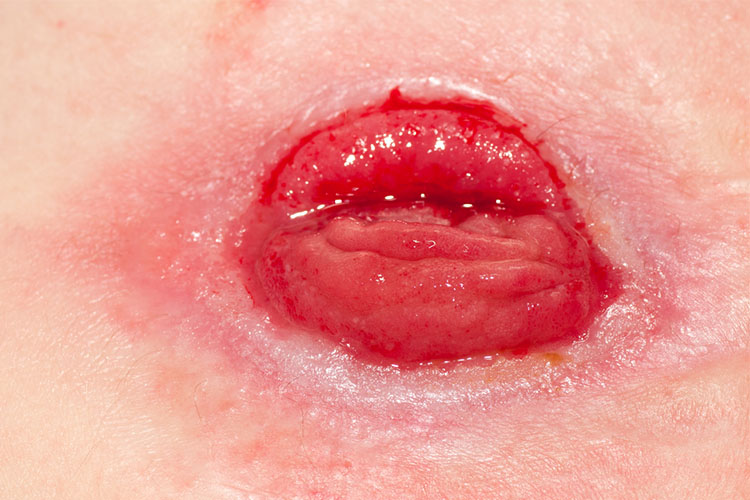
An ostomy is a surgical procedure that develops an opening (stoma) from an interior body organ to the outside of the body for waste elimination. Recognizing what an ostomy entails aids caretakers understand their duties better in providing support.
Caring for an Ostomy
Daily Regular for Ostomy Care
A structured day-to-day routine can vastly enhance the experience of taking care of a person with an ostomy:
Regular Inspection: Inspecting the stoma website everyday for any type of indicators of irritability or infection. Changing Pouches: Complying with recognized timelines based on item guidelines. Dietary Considerations: Recognizing foods that may cause obstructions or too much gas.Complex Digestive tract Care Course Overview
Participating in a complex bowel care course makes it possible for health care specialists to boost their knowledge base dramatically. Such programs typically cover:
- Assessment strategies Treatment options Patient-centered communication techniques
Benefits of Comprehensive Training Programs
Investing time in extensive training programs such as NDIS complex bowel care training returns complex advantages:
Enhanced person results through much better administration practices. Increased caretaker self-confidence when dealing with complex situations. Improved client fulfillment because of personalized approaches.Bowel Treatment Courses Available Today
Various organizations provide courses tailored towards particular requirements in bowel care management:
Online platforms offering adaptable learning environments. In-person workshops focusing on hands-on practice. Certification programs validating expertise in the field.Understanding Stomas and Ostomies Further
What is a Stoma?
A stoma is simply a surgical opening developed throughout an ostomy procedure, enabling waste product to exit the body safely.
What is Ostomy Care?
Ostomy treatment includes all activities surrounding the maintenance and management of a stoma post-surgery, making certain health and decreasing discomfort while advertising dignity.
Techniques for Efficient Bowel Management
Implementing effective methods can greatly enhance patient comfort:
Establishing routine toileting schedules Utilizing ideal nutritional modifications Engaging in physical activity appropriate for individual abilitiesChallenges Encountered by Individuals with Facility Digestive Tract Needs
Patients handling complicated digestive tract concerns usually confront numerous difficulties:
- Physical discomfort because of irregularity Emotional distress stemming from shame over signs Anxiety related to clinical procedures
Strategies for Overcoming Obstacles in Digestive Tract Management
To tackle these challenges head-on needs ingenious approaches such as:
Open interaction between caregivers and patients. Developing personalized plans tailored to certain needs. Regular follow-ups to reassess conditions continuously.Frequently Asked Concerns (FAQs)
1. What are some indications that I require professional assist with my bowels?
If you experience consistent discomfort, considerable changes in your feces consistency, blood in your feces, or drastic weight reduction, it's advisable to look for medical suggestions promptly.
2. How do I pick a great stoma bag?
Selecting an appropriate stoma bag relies on aspects like your lifestyle needs, skin sensitivity degrees, output uniformity from your stoma, and individual choices concerning aesthetics.
3. Will my diet plan modification after getting an ostomy?
Yes! While several foods continue to be acceptable post-surgery; some might create blockages or excessive gas production; for this reason dietary adjustments are necessary.
4. Can I participate in sporting activities if I have an ostomy?
Yes! Numerous individuals lead energetic way of livings post-surgery by using protective gear particularly developed for those with ostomies while taking part in sporting activities activities safely.

5. Is psychological support important when handling intricate bowel issues?
Absolutely! Psychological health plays a considerable duty in general wellness; for that reason access to therapy solutions must be focused on together with physical treatment options supplied by medical care professionals.
6. How frequently must I alter my stoma pouch?
The regularity mainly relies on individual outcome levels; however most professionals suggest changing bags every 3-- 5 days unless otherwise indicated based on individual situations talked about throughout consultative appointments!
Conclusion
In final thought, enhancing patient comfort with reliable bowel care management methods requires commitment from both caretakers and healthcare providers alike-- investing time right into getting pertinent expertise via training courses like NDIS complex bowel care training & & stoma-care training enables them not just meet scientific standards yet additionally supply compassionate assistance necessary improving their costs' high quality life ultimately changing experiences during periods susceptability thus paving means towards alternative recovery trips ahead!